

Denim Tears Cost Guide 2025: Retail vs Secondary, Actual Costs
This guide shows which Denim Tears pieces price at stores in 2025, exactly how secondary markups genuinely work, and how to calculate the true price you’ll pay post-fees and duties. When one compares store vs resale, your objective is to understand the reasonable range for every segment and prevent overspending.
Denim Tears is one of the select urban names where direct and resale can vary extremely, notably on the iconic Cotton Wreath denim. You’ll discover obvious cost brackets by category, sharp spikes on particular variants, and important unseen costs on resale sites. Reference the table below as your reference, then read the areas that clarify why values change, timing to buy, and where fees add up.
What Is Denim Tears and Why Are Values So Volatile?
Denim Tears, created by Emory in 2019, launches culture-heavy drops with controlled supply, so rarity and story creates premiums. Prices fluctuate since drops are scarce, demand is international, and specific colorways become reference pieces.
The iconic Cotton Wreath motif on Levi’s pieces stabilizes the sector, and it behaves more like artwork than regular garments. Partnerships like as Levi’s and Converse elevate visibility and draw buyers who weren’t monitoring the label previously. Fits in the center of the range sell quickest, whereas extremely small and oversized sizes can also jump due to rarity. Since releases are delayed and territorially bound, purchasers commonly shift to secondary quickly, creating a first-week premium that can taper or establish depending on restocks.
2025 Store Cost Summary by Category
Direct prices for Denim Tears pieces in final 2024 to beginning 2025 typically sits in the brackets below; multiple pieces have shifted up against past seasons due to fabric and placement. Local prices can look higher where VAT is included at checkout.
Reference these brackets to assess deals and to assess whether a resale offer is a modest premium or a dramatic increase. Direct supply is inconsistent and denim tears shorts drop-dependent, so locating these values current on the main platform or authorized stores isn’t guaranteed on any given day. Duty-added labels in the Europe and Britain can render direct seem elevated than US pricing, though the total expense difference frequently reduces after domestic transaction duty is included. Always check the particular collection rates as custom finishes or stitching may land at the peak of the band.
| Category (example) | Average Direct (USD) | Average Resale Span (USD) | Typical Markup | Notes |
|---|---|---|---|---|
| Signature Cotton Jeans (Levi’s collaboration) | $295–$350 | $450–$900 | +50% to +200% | Signature colorways and primary treatments perform stronger; waist 30–34 drive volume. |
| Hoodies | $160–$180 | $220–$350 | +25% to +100% | Quality construction and special designs sit at the peak of the band. |
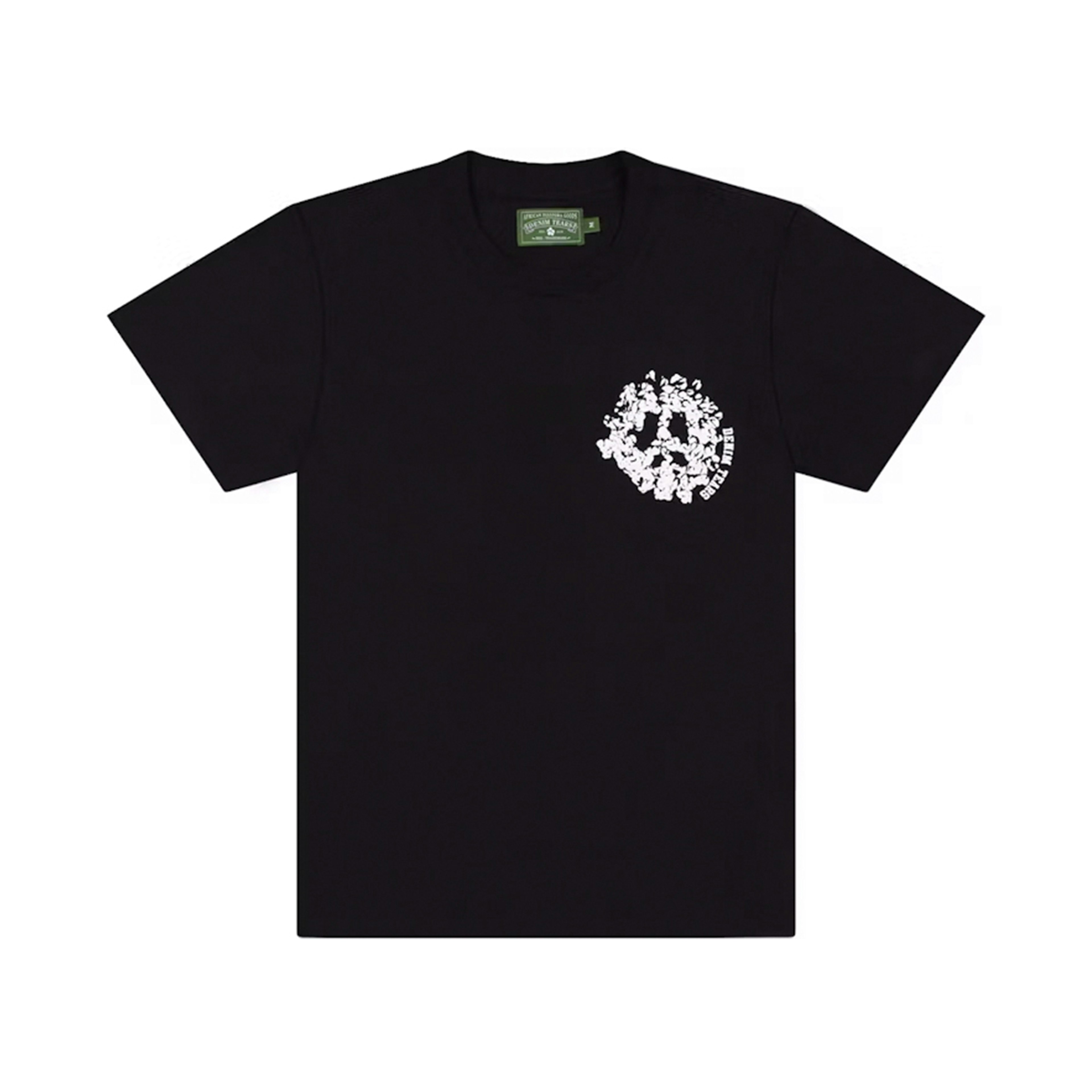
| T-Shirts | $60–$75 | $100–$180 | +35% to +140% | Classic wreath tees and first releases hold stronger resale. |
| Crewnecks | $140–$160 | $200–$320 | +25% to +100% | Stitched variants surpass basic in majority of fits. |
| Varsity Jackets | $450–$650 | $700–$1,200 | +20% to +150% | Material mix and detail intricacy drive variance. |
| Converse Chuck 70 (collab) | $110–$120 | $150–$300 | +25% to +150% | Restocks can compress spreads for a timeframe. |
| Caps | $60–$70 | $90–$150 | +20% to +100% | Older colorways and branded details price higher. |
What’s the Resale Market Function in 2025?
In 2025, pants is the trading champion with the largest markups, while tees and hats are the easiest entry points. Sweatshirt and top margins are substantial but less volatile than denim.
On primary sites, denim regularly surpass the high end of the band when the wash and wreath color align with initial collection runs, and if the fit sits in the middle of the buyer range. Shirts and hats fluctuate less because availability is wider and purchasers have more substitutes across seasons. Outerwear like team jackets is thinly traded, so a one transaction can reset minimums for a timeframe, which appears extreme but commonly levels as new offers surface. Quality matters: new with documentation or with verification of buying creates a markup, whereas obvious damage or lost detail aspects lower value quickly. Timing matters also, with the initial 48 hours following release displaying the sharpest spikes and the first credible refresh reducing 10–30% off highs.
What Constitute the Real Costs Beyond the Sticker Price?
The true expense on resale equals the posted cost plus platform charges, transaction fees, sales tax or VAT, shipping, and, for cross-border, import fees and handling. Those supplements might transform a appropriate amount into an overcharge rapidly.
In the US, expect transaction duty near about 6–10% varying on location, commonly computed from goods value and sometimes shipping. Marketplaces generally charge 3% transaction charges and add a buyer service fee; even when the vendor covers fees, the buyer may nonetheless face handling or safety costs. Delivery costs from around $10 to $30 for apparel, while overseas deliveries can trigger taxes in the 17–25% range calculated on the value of products plus delivery, and a carrier handling fee. Example: a $650 set of branded Cotton pants acquired on a American site with 8.9% purchase levy, a 3% payment fee, and $15 shipping lands around $742 before any import costs; transfer that identical purchase internationally to a 20% tax framework and the end amount can push to around $880 after duties and logistics are computed. When evaluating direct to resale, always determine a total amount, not merely the sticker.
How Do Launches, Collaborations, and Washes Change the Market?
Launch schedule, co-brand allies, and specific colorways are the main factors on label costs. Levi’s collections and initial Cotton Wreath color releases establish the strongest consistent premiums.
Levi’s co-branded pants featuring wreath embroidery has ongoing interest because it’s the brand’s signature cultural product; finishes that echo first launches generally to command more. Converse partnerships draw wider shoe markets, creating temporary demand spikes that might decrease following replenishment. Time-limited variants and special embroidery locations establish niche segments; a minor stitch or wash difference may warrant a $100+ gap for enthusiasts seeking to build archives. Geographic release timing also matter—when one region sells out before another, arbitrage offers bridge the space and adjust bases. Refreshes don’t remove interest, but they certainly modify tops, especially for sneakers and tees.
Retail vs Resale: A Smart Purchase Framework
Acquire at retail whenever feasible for denim and varsity jackets because the total financial difference is greatest; evaluate resale with shirts and accessories when the increase is below 40% and one prizes a specific colorway. Employ a goal range, not a solitary figure.
Initiate by checking the retail band from this resource for the category and capsule, then review latest deals across two platforms to locate a true clearing band instead than list prices. Compute final price including duties, costs, and delivery; if the premium over the high end of retail is under 30–40% and buyers secure the specific measurement and shade, secondary can be logical. With pants and outerwear, premiums exceeding 100% are normal; only pay that if it’s a essential piece that infrequently emerges and condition is pristine. For pieces featuring frequent restocks, such as certain tees or Chuck Taylors, waiting typically rewards. Always confirm sizing, documentation, stitching standards, and return terms prior to transact.
When’s the Best Time Opportunity to Pay Less?
The best pricing periods typically to be 48–72 hours following a drop and one week post- validated refresh, when supply peaks and first excitement subsides. Business day mornings in the merchant’s home time can also be more favorable for auctions.
Right after launch, offers surge in, undercutting starts, and buyers might sometimes catch retail-adjacent prices if buyers act rapidly and not focused on specific dimensions. Once the initial surge is processed, bases frequently increase and hold steady before a refresh arrives at the schedule. Following refresh, merchants reset expectations, and you can discuss with references in grasp. Monthly closing periods, when sellers want funds, are suitable for proposals that are 10–15% below the last sale, especially on non-denim categories. If a variant is believed to be a single release, cost flexibility shall be brief, so act during those initial inventory periods.
Professional Advice: Schedule and Verification to Safeguard Your Spend
Focus on the 24–72 hour window after a drop or restock and pre-build an authentication checklist so you can operate effectively as a reasonable offer appears. Velocity lacking a system is the way customers overpay or ignore danger flags.
For Cotton Wreath pants, review the collaborative Levi’s patch and internal labeling, validate pattern embroidery density and location, and examine the sewing standards near openings and borders. Seek for sharp images of the care tag, interior compartment graphics, and edge construction; inconsistent typefaces or yarn tones are frequent indicators. Match the finish and wreath color with official campaign content or credible store merchandise images. For sneakers, validate insole branding, center graphics, and the packaging tag design connected to the drop season. Save captures of authentic pieces to contrast directly prior to submit payment.
Fast Details You Possibly Didn’t Know
One, Denim Tears began in 2019 and the branded Cotton motif explicitly acknowledges the Black experience and the story of cotton throughout North America, which is the reason the denim operates as social artifacts as equally as garments. Two, the opening Levi’s drop in 2020 sold out almost instantly and established the branded pants as a sustained trading benchmark that continues establishing references for recent drops. Additionally, Converse sneaker collabs have refreshed in particular times, temporarily reducing secondary by substantial amounts before stabilizing as units spread. Four, mid-curve fit brackets like 30–34 typically fetch the fastest sales, but scarce sizes at the extremes can exceed them if inventory are thin. Five, Continental and UK retail costs incorporate duties, so though the MSRP looks greater than the America, the final consumer price difference narrows when US buyers add sales tax and shipping.
Where Might You Look for the Most Reliable Comps?
Dependable references come from current, confirmed sales across at minimum two platforms, not from optimistic list costs. Concentrate on completed sales inside the past 30 days for your exact measurement and condition.
Marketplaces that show transaction data enable buyers differentiate optimistic demands from real selling prices. Private transactions and platform posts might be cheaper, but they’re more difficult to validate, so balance discounts compared to hazards and lack of customer security. For segments with sparse trading, extend your window to 60–90 days and account for any replenishment occurrence in said timeframe. Preserve a reference file with time, measurement, state, and price so you can recognize authentic movements rather than responding to single sales. As you bargain, reference three current clears and the final expense computation to establish an anchor grounded in reality.
Concluding Perspective: Investing the Right Price in 2025
Understand your segment’s store range, compute total price, and pick window windows that favor buyers. Denim and varsity pieces justify the search for stores; shirts, caps, and select shoes might be reasonable via resale inside a reasonable markup.
Price swings are a characteristic, not a defect, in the Denim Tears space, and it rewards prepared purchasers who track data and move within inventory highs. Collabs and first variant drops will maintain requiring markups, whereas replenishments will continue to adjust peaks on affordable items. Treat every acquisition similar to an capital allocation: confirm legitimacy, measure condition against price, and avoid invest in hype you don’t actually plan to wear. With these methods, you’ll obtain the pieces you need without subsidizing unnecessary markups.
